


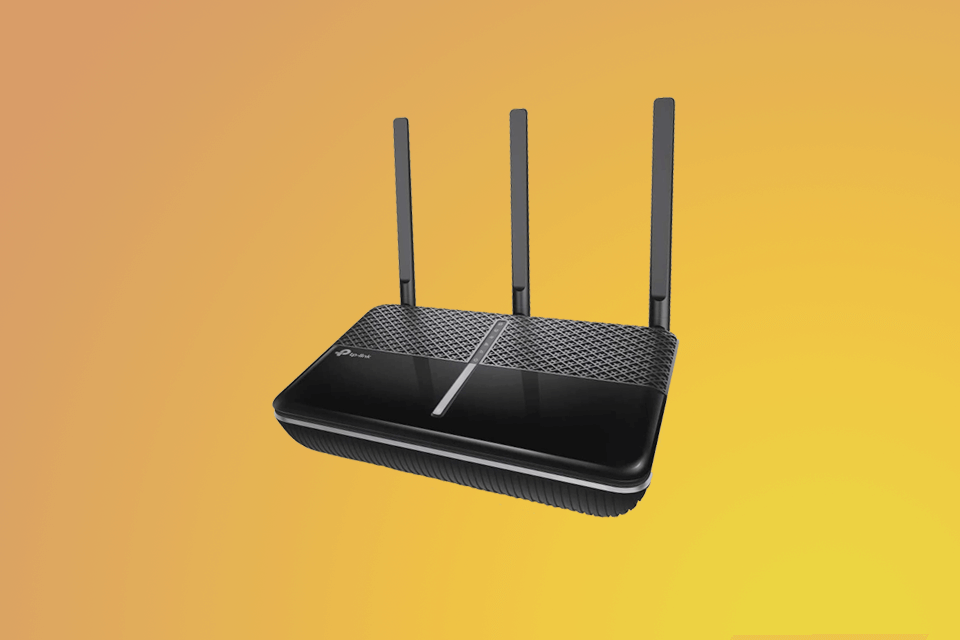
The Wi-Fi 6E Router Market Growth continues to accelerate as consumers and enterprises demand ultra-fast, low-latency wireless networks to power the connected world. Wi-Fi 6E Router Market Size was valued at 4,700 USD Million in 2024. The Wi-Fi 6E Router Market is expected to grow from 5.47 USD Billion in 2025 to 25 USD Billion by 2035. The Wi-Fi 6E Router Market CAGR (growth rate) is expected to be around 16.4% during the forecast period (2025–2035). This rapid expansion is being driven by the global digital transformation across industries, the proliferation of smart devices, and the shift toward bandwidth-intensive applications. Wi-Fi 6E extends Wi-Fi 6 capabilities into the 6GHz band, offering significantly more channels, improved performance, and less congestion—making it ideal for both consumer and enterprise use.
The growth trajectory of the Wi-Fi 6E Router Market is a reflection of changing connectivity demands. With the surge in video conferencing, remote work, and online gaming, consumers are looking for consistent, interference-free experiences. At the same time, businesses are upgrading infrastructure to handle massive data transfers and real-time analytics. Wi-Fi 6E routers are equipped to meet these needs with advanced features such as multi-gig speeds, reduced latency, and optimized network capacity. By supporting more simultaneous connections, Wi-Fi 6E enables seamless connectivity in high-density environments—an essential feature for modern households, offices, and commercial spaces.
Technological innovation is one of the key factors propelling this market forward. Router manufacturers are integrating AI-based optimization, mesh network capabilities, and enhanced security protocols to improve performance and reliability. Companies like ASUS, Cisco, Netgear, and TP-Link are introducing routers with smart traffic management and low-latency gaming modes to enhance user experience. In addition, semiconductor leaders such as Qualcomm and Broadcom are developing chipsets tailored for Wi-Fi 6E’s extended spectrum, ensuring efficient communication across multiple devices. As AI-driven automation and IoT networks continue to evolve, Wi-Fi 6E routers are poised to serve as the backbone of these interconnected systems.
Another critical growth driver lies in the expanding Internet of Things (IoT) ecosystem. The number of connected devices per user is growing rapidly—from wearables and smart TVs to connected vehicles and industrial sensors. This trend is creating a massive surge in data traffic, and Wi-Fi 6E routers are uniquely positioned to handle this load efficiently. The 6GHz band offers broader channels and less interference, making it perfect for environments with numerous connected devices. Smart homes, in particular, benefit from Wi-Fi 6E’s ability to deliver stable, simultaneous connectivity to appliances, cameras, lighting systems, and entertainment hubs—ensuring a truly integrated digital lifestyle.
Regionally, North America leads the Wi-Fi 6E Router Market due to early spectrum approvals and widespread adoption of cutting-edge technologies. The United States has witnessed rapid deployments across both residential and enterprise networks, fueled by consumer awareness and the popularity of smart home ecosystems. Meanwhile, Asia-Pacific is emerging as the fastest-growing region, with countries such as China, Japan, and South Korea investing heavily in digital infrastructure and IoT development. Europe is also following closely, driven by the European Union’s initiatives toward digitalization and sustainable smart city projects. These regional dynamics highlight the global scale of Wi-Fi 6E adoption and its crucial role in powering future-ready digital ecosystems.

 English
 Arabic
 French
 Spanish
 Portuguese
 Deutsch
 Turkish
 Dutch
Dutch
 Italiano
 Russian
 Romaian
 Portuguese (Brazil)