


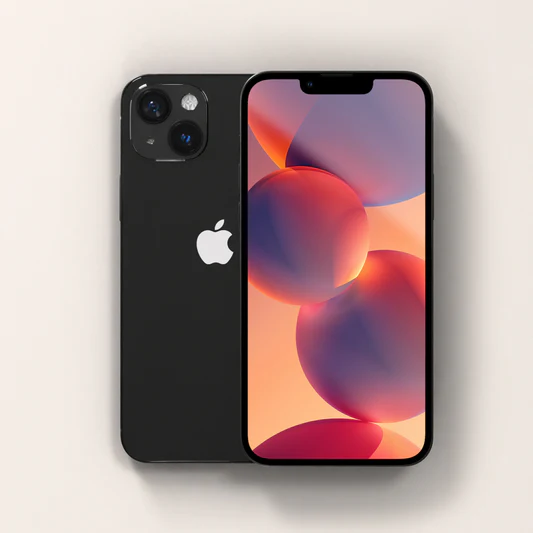
The direction and professionalization of the global used smartphone market are being actively driven by the strategic imperatives of its most influential leaders. A close study of these Used Smartphone Market Market Leaders—a group that includes major OEMs like Apple, B2B logistics powerhouses like Likewize, and innovative marketplaces like Back Market—reveals a clear shift from opportunistic resale to a strategic focus on lifecycle management, brand control, and the creation of trusted, scalable platforms. These leaders are not just selling used phones; they are building sophisticated, technology-driven ecosystems to manage the entire reverse lifecycle of a device, from trade-in to refurbishment to final sale. Their strategies are a response to the market's explosive growth and the increasing consumer demand for sustainable and affordable alternatives to new products. The Used Smartphone Market size is projected to grow USD 218.77 Billion by 2035, exhibiting a CAGR of 17.51% during the forecast period 2025-2035. To secure a dominant and defensible position in this market, the leaders are pursuing distinct but powerful strategies aimed at controlling different, highly profitable segments of the value chain.
The strategy of the premium OEMs, best exemplified by Apple, is centered on control and brand preservation. Apple's primary goal in the secondary market is not to maximize the volume of used phones sold, but to ensure that the second life of its products reinforces the premium quality and value of its brand. Their strategy involves running a highly visible and attractive trade-in program, which serves the dual purpose of encouraging upgrades to new iPhones and capturing a large supply of used devices. They then channel the highest quality of these devices into their own "Certified Refurbished" store, where they are meticulously restored and sold at a premium, complete with a new battery and a one-year warranty. This sets a high benchmark for quality and prevents the market from being flooded with low-quality refurbished iPhones that could damage the brand's reputation. The remaining devices are then sold in bulk to trusted B2B partners. This strategy allows Apple to manage the secondary market to its own advantage, supporting new device sales and maintaining high residual values for its products, which is a key competitive strength.
In contrast, the strategy of a market leader like Back Market is to build a massive, trusted, and asset-light marketplace. Their core strategy is not to touch the phones themselves but to act as a highly sophisticated intermediary between thousands of professional refurbishers and millions of consumers. Their strategic focus is on solving the market's biggest problem: a lack of trust and standardization. They do this by creating a rigorous quality charter that all sellers must adhere to, providing a centralized platform for customer service, and offering a standard warranty on all products sold. Their technology platform is a key strategic asset, used to vet sellers, monitor quality, and optimize the customer experience. Their growth strategy is based on a classic marketplace network effect: more buyers attract more sellers, which increases supply and selection, which in turn attracts more buyers. This allows them to scale rapidly across new geographic markets without the immense capital expenditure of building physical refurbishment facilities. Meanwhile, the strategy of the B2B leaders like Ingram Micro and Likewize is one of operational excellence at massive scale. Their strategy is to be the indispensable, behind-the-scenes operational partner for the carriers and OEMs, competing on the efficiency of their reverse logistics, the accuracy of their AI-driven diagnostic and grading software, and their ability to process millions of devices per month at the lowest possible cost.
Top Trending Reports -
Europe Immersive Analytics Market

 English
 Arabic
 Spanish
 Portuguese
 Deutsch
 Turkish
 Dutch
Dutch
 Italiano
 Russian
 Romaian
 Portuguese (Brazil)
 Tiếng Việt